
The Caregiver’s Season: Finding Balance in a Life of Giving
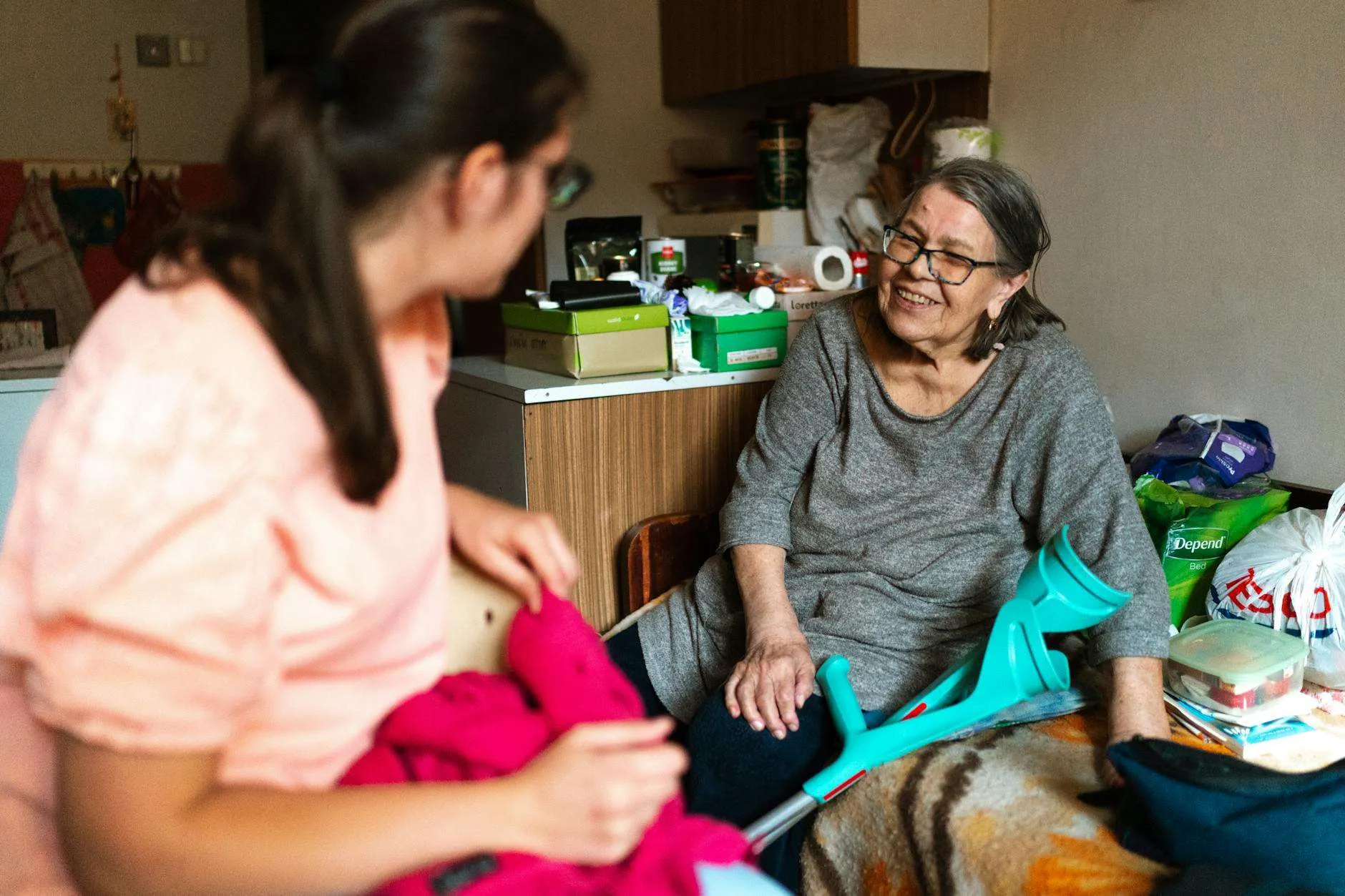
As November begins, we’re opening a month-long exploration called “The Caregiver’s Season: Finding Balance in a Life of Giving.” The term “caregiver” applies to a wide range of people, from nurses who steady anxious hands and teachers who listen longer than they have time for, to parents who wake up early and fall asleep late, and family members who never stop showing up. Caregiving can be meaningful, but it can also be a heavy burden to carry. The effort to keep showing up, day after day, quietly shapes how we think, feel, and live.
Over the next few weeks, this series will explore caregiving from several angles. We’ll shed light on the exhaustion that accompanies sustained empathy, the private battles of family caregivers, the emotional strain faced by helping professionals, and finally, the quiet acts of care that fill classrooms, homes, and friendships. By the end of the month, our goal is to help you rediscover steadiness and compassion that includes yourself, too.
Today’s post begins with compassion fatigue, one of the most common and least discussed effects of giving so much of yourself to others. We’ll explore what it means, how it develops, and what it can teach us about maintaining empathy in a demanding world.
What Compassion Fatigue Means
Compassion fatigue describes a deep, persistent weariness that extends beyond ordinary tiredness. It affects both the body and the emotions, often surfacing when empathy has been stretched for too long. The American Psychological Association describes it as the stress response that develops through repeated exposure to others’ suffering.
For many caregivers, compassion fatigue begins quietly. There can be an irritability that lingers, motivation that fades, or a sense of disconnection from people who once brought joy. Over time, it blurs the boundary between personal identity and the caregiving role. Noticing these patterns is an act of self-respect that shows you’re listening to the messages your mind and body are sending.
Why Compassion Fatigue Sneaks Up On You
Compassion fatigue rarely announces itself. Instead, it builds quietly in the background of everyday life. You may think you just need a good night’s sleep or a short break, yet the heaviness stays, thinning your emotional energy while your sense of responsibility remains unchanged. You continue to meet everyone else’s needs but find yourself going through motions that once held meaning.
Some caregivers describe it as moving through a fog, everything looks the same, but it feels dimmer. Others notice physical tension, shallow breathing, or restlessness that won’t ease. These sensations are reminders that your nervous system needs care, too. It’s important to note that compassion fatigue can touch anyone who gives steady emotional energy, including healthcare workers, educators, therapists, parents, family caregivers, or partners supporting loved ones through illness.

Our therapists support caregivers, healthcare workers, and helpers in rediscovering calm and connection. Online therapy in Delaware makes it simple to start, reach out today.
Book a Consultation →Compassion Fatigue and the Body
The body responds to long-term caregiving stress much like it does to chronic danger. Hormones such as cortisol and adrenaline stay elevated, keeping the system alert when it should be recovering. Over time, this constant activation drains focus and can weaken your immunity and emotional responsiveness.
Recent research from the National Library of Medicine highlights how compassion fatigue activates many of the same biological pathways seen in prolonged occupational stress. Caregivers exposed to ongoing emotional demands often experience measurable changes in their stress response, including altered cortisol rhythms and persistent sympathetic activation. These shifts can impair attention, emotional regulation, and overall wellbeing. In simpler terms, the body starts operating as if it’s always bracing for the next crisis and, over time, that state makes it harder to feel connected, creative, or rested. Compassion then becomes harder to access, not from lack of care, but from physiological exhaustion.
The Cost of Carrying Too Much
The long-term effects of compassion fatigue extend beyond biology, it also reaches into daily life and relationships. Caregivers often describe a gradual fading of color in their routines, where moments that once felt meaningful now pass without the same spark. You might find yourself forgetting small things, feeling detached in conversations, or struggling to experience joy even when you know it’s deserved.
What changes most is often the sense of connection. While the pull to help remains, the energy behind it falters. Research continues to show that compassion fatigue can alter how people process emotion and empathy, leaving them caught between wanting to care and feeling unable to reach that emotional depth.
The good news is that recovery is possible. Small moments of rest and awareness begin to restore emotional balance. Therapy, gentle mindfulness practices, and supportive community spaces often help caregivers reconnect to their sense of purpose. Healing from compassion fatigue is about finding your way back to what matters most.
A Quiet Invitation to Rest
If your days feel heavier than they used to, you’re not alone. Compassion fatigue is a shared experience among caregivers across every role, from professionals holding space for others’ pain to family members quietly managing the needs of those they love. It doesn’t erase the care you’ve given or the difference you’ve made. Recognizing it simply opens the door to renewal.
In the weeks ahead, this series will move through the broader caregiving landscape: the exhaustion of family care, the emotional toll faced by helping professionals, and the quiet acts of care woven into ordinary life. Each piece will explore ways to restore balance, reconnect to meaning, and honor your own well-being in the process. For now, take a moment to pause and breathe. The compassion you offer others begins with how gently you treat yourself.