
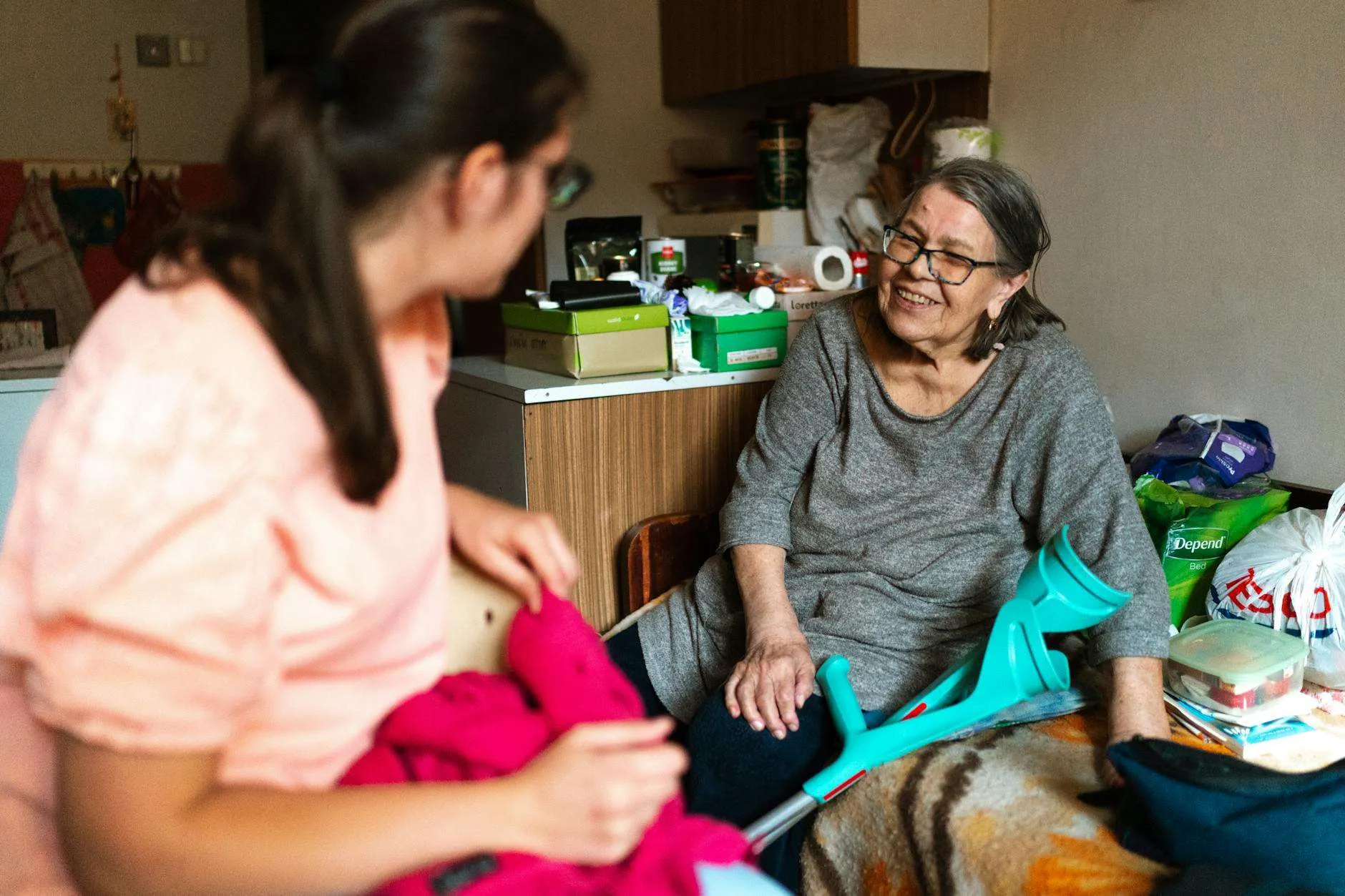
The Caregiver’s Season: Understanding Family Caregiver Burnout
If you read our first post in this month’s Caregiver Series, you know we’re exploring the realities of compassion and fatigue that often exist side by side. That introduction uncovered how care can quietly take root in daily life until it becomes part of a person’s identity. This second installment continues that thread, looking closely at what happens when care begins to consume the caregiver.
This post focuses on family caregiver burnout: how it unfolds, what keeps it going, and the ways it can be eased. It’s written for those who give deeply and may not notice how much of themselves they’ve set aside.
When Caregiving Starts to Stretch Too Far
For many people, caregiving doesn’t begin with a choice; it begins with necessity, love, or responsibility. The first weeks or months may feel manageable as routines take shape and rhythm settles in. Over time, though, that rhythm can wobble. The hours lengthen, personal space narrows, and the sense of balance fades. What once felt temporary begins to fill nearly every corner of life.
That’s when the risk for family caregiver burnout rises. The Cleveland Clinic describes burnout as “a state of physical, emotional and mental exhaustion” caused by investing vast amounts of time and energy into someone else’s wellbeing while neglecting your own.
Moreover, a 2023 survey found that the average family caregiver spends roughly 24 hours each week on caregiving duties, while about a quarter devote more than 40 hours. What starts as an act of love can quietly become a full-time role without the structure or recognition of one. It can quickly turn into a recipe for burnout.
The Quiet Warning Signs
Burnout creeps in slowly, muffled by the routine of getting things done. You might notice yourself snapping more easily, skipping meals, or feeling detached from the people who used to bring comfort. Fatigue and irritability can turn into hopelessness or physical symptoms that don’t seem to have a clear cause. These patterns can be clear signs of family caregiver burnout.
Research from the Centers for Disease Control and Prevention shows that caregivers experience higher rates of depression and chronic illness than those not in caregiving roles.. Burnout shows up not only in the body but in relationships and self-image. It signals that your own needs have gone unmet for too long.
The Weight Behind the Role
No single factor causes burnout. The intensity and duration of caregiving, a lack of emotional support, financial stress, and limited time for rest all play a part. Research in 2024 found that burnout rises when caregivers feel ashamed to ask for help or when their emotional needs remain overlooked.
The landscape of caregiving is shifting, too. Many adults are now balancing paid work alongside care for a loved one, creating constant tension between professional and family demands. In a recent national survey conducted by AARP, 67 percent of working caregivers reported struggling to maintain that balance.
The Ripple Effect
Caregiver burnout affects both you and your loved one profoundly. Deep exhaustion can lead to emotional detachment, and physical weariness often results in diminished patience and attentiveness. What were once shared moments of connection can devolve into mere tasks.
Many caregivers describe guilt that compounds the exhaustion: guilt for feeling frustrated, for wanting a break, or for imagining life outside their caregiving role. That guilt doesn’t mean a lack of love. It simply reveals how human this work is. The CDC notes that caregivers experiencing ongoing distress often rate their health as poor, further confirming how intertwined emotional and physical wellbeing can be.
Shifting Course
Burnout is not a failure. It is a signal that change is overdue. Change can start small — a pause, a breath, a single conversation. Ask yourself what would bring a little relief today. Could you delegate one task? Could someone else step in for an afternoon? Even a short rest can help your body and mind recalibrate.
Support groups and therapy can make these adjustments easier. Many caregivers find comfort in shared stories from others who understand. Professional guidance can help you recognize patterns of overextension and create new habits of rest. For example, CancerCare provides free and practical resources for caregivers addressing burnout. Seeking help can be the first step in attaining that long-lost balance in your life.
Setting boundaries can feel uncomfortable but also deeply protective. Boundaries do not push people away; they protect the space where healing begins.

Our therapists support teachers, parents and everyday caregivers who carry the emotional weight of others. If you have been the steady one for everyone else and need space to breathe again, online therapy in Delaware can help you reconnect with your own wellbeing. Reach out when you are ready.
Book a Consultation →When Professional Help Becomes Necessary
If your exhaustion feels permanent or you find yourself struggling with persistent sadness, guilt, or hopelessness, consider speaking with a therapist. Therapy offers a safe space to explore how caregiving has shaped your identity and how to rebuild emotional resilience. Seeking help reflects strength and care for yourself, the same qualities that led you to care for someone else.
Virtual Support at Clarity Counseling of Delaware
This November, as part of our Caregiver Series, we invite those facing caregiver burnout to explore virtual therapy with our team. Our licensed clinicians help caregivers find steadiness, process fatigue, and reconnect with their sense of self. Virtual sessions make it possible to receive support from home, wherever you are in Delaware.
You have given much to others. Let this be the month you give something back to yourself.