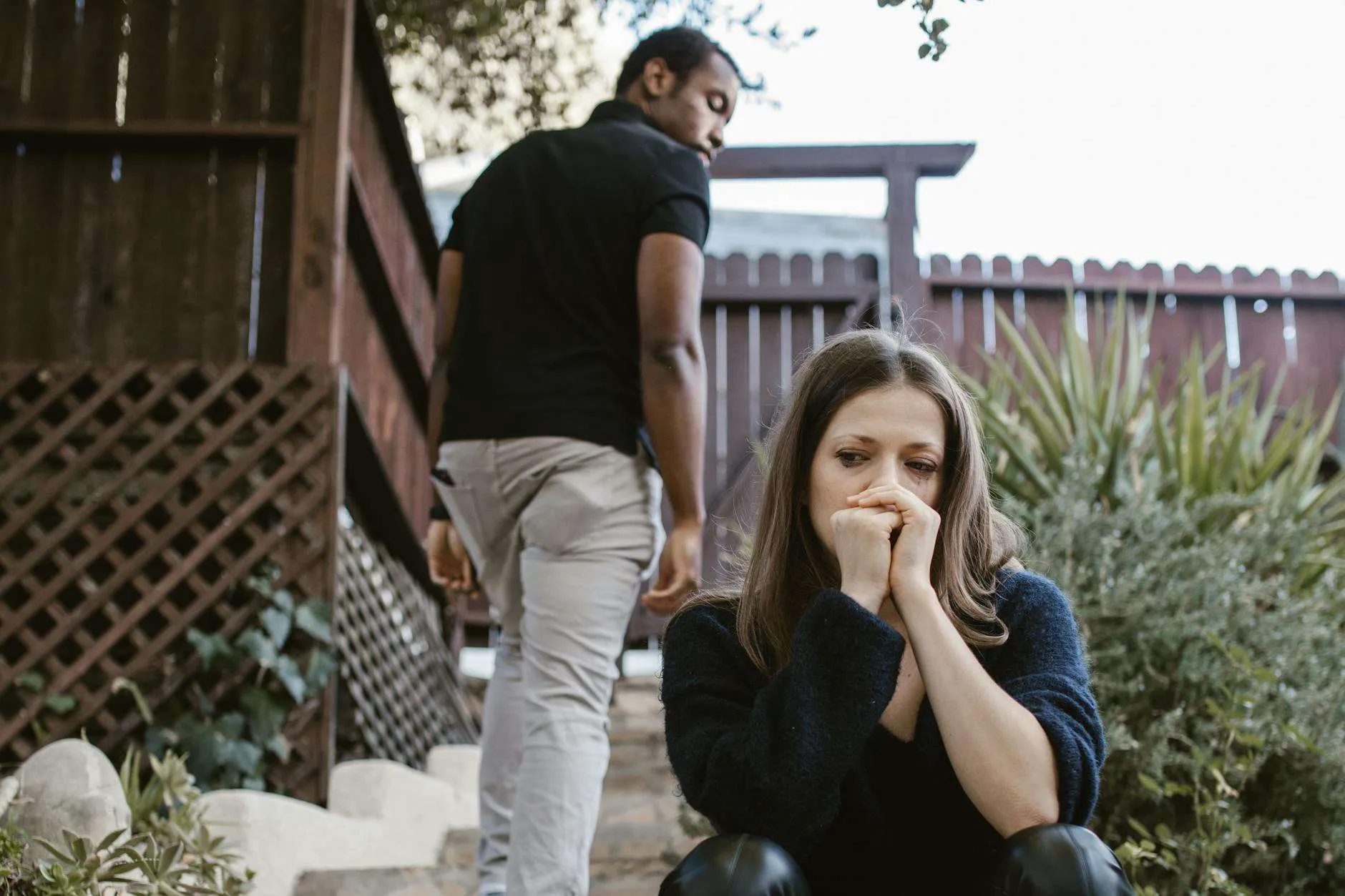

Many couples delay seeking therapy, often waiting until problems feel unmanageable. That delay usually has less to do with not wanting help and more to do with uncertainty about the process. Bringing your relationship to a stranger feels exposing in ways that bringing your own anxiety or depression doesn’t. You’re handing over something private, showing the patterns you’ve been living with, admitting that what you’ve tried hasn’t worked.
The hesitation makes sense. Couples therapy carries decades of cultural baggage about blame, confession, and forced communication exercises. Sessions bear little resemblance to those stereotypes. The work focuses on identifying specific patterns keeping you stuck and building concrete skills that make conflict manageable. Therapy clarifies what’s happening so both people can decide what to do with that information.
Your First Couples Therapy Session: What to Expect
The first session usually looks different than couples expect. A therapist trained in evidence-based methods will spend most of that hour gathering information about your relationship history. When did you meet? What drew you together? When did things start feeling difficult? What have you already tried? The questions aim to understand how you got here rather than immediately solving anything.
Many therapists use structured assessments, particularly when working with the Gottman Method. These questionnaires ask about communication patterns, conflict styles, intimacy, and shared meaning. The data helps identify which areas need attention and which areas already function well. You’ll also be asked about your individual histories. How did your parents handle conflict? What did you learn about relationships growing up? Research shows that family-of-origin experiences significantly shape how people approach adult romantic relationships, often in ways you haven’t examined.
The therapist is also watching how you interact. Who speaks first? How does your partner respond when you describe a problem? Do you talk over each other, finish each other’s sentences, or sit in careful silence? These observations inform what comes next.

Our therapists are dedicated to helping individuals and couples navigate the complexities of relationships. Online therapy in Delaware has never been easier to start.
Book a Consultation →The Four Horsemen: Communication Patterns That Predict Relationship Outcomes
The Gottman Method emerged from decades of research observing couples in conflict. Psychologists John and Julie Gottman identified specific communication patterns that predict relationship dissolution with remarkable accuracy. The Gottman Institute calls these patterns the Four Horsemen: criticism, contempt, defensiveness, and stonewalling.
Understanding Criticism and Contempt
Criticism goes beyond complaints about behavior. It attacks character. “You never help with dinner” becomes “You’re selfish and lazy.” Contempt adds mockery or disgust to that criticism. Eye rolling, sarcasm, name-calling. Contempt communicates that your partner is beneath you. The Gottman research identifies contempt as the single strongest predictor that a relationship won’t survive.
Recognizing Defensiveness and Stonewalling
Defensiveness shows up when someone feels attacked. It makes sense as a response, yet it escalates conflict by denying responsibility and often counterattacking. Stonewalling happens when one partner shuts down emotionally and physically withdraws from the interaction. They’re present but disengaged, often because they’re overwhelmed.
The Antidotes: What Couples Therapy Teaches
Each Horseman has an antidote. Criticism shifts to gentle startup, where you describe the situation and state what you need without attacking character. Contempt gets replaced by building a culture of appreciation, deliberately noticing what your partner does well. Defensiveness yields to accepting responsibility for your part, even if you think the complaint is unfair. Stonewalling requires self-soothing. You recognize when you’re flooded and take breaks to calm your nervous system.
These antidotes aren’t intuitive. Most people know their communication creates problems but don’t know how to do it differently. Couples therapy teaches these alternatives.
Skills You’ll Learn in Couples Therapy
Therapy sessions involve more than talking about your relationship. You’ll practice specific skills with your therapist observing and offering feedback.
One fundamental skill is softened startup: beginning difficult conversations without criticism or blame. Instead of “You’re always on your phone,” you learn to say “I’d like to spend time together without screens tonight. Can we make that work?” The shift sounds simple but requires practice to override years of learned patterns.
Another core skill involves repair attempts. These are the small gestures that deescalate conflict: humor, affection, acknowledging your partner’s point, suggesting a break. Lasting relationships include conflict. What makes them work is that repair attempts get noticed and accepted.
The Gottman Method also emphasizes Love Maps—knowing your partner’s internal world. What stresses them out at work? Are they worried about something they haven’t named yet? What actually makes them feel cared for? Couples often assume they know these answers, then discover how much has changed without them noticing.
Between sessions, you’ll have homework. Not vague assignments like “communicate better,” but specific exercises. The therapist might ask you to do a daily check-in ritual, practice a particular conflict skill, or build in time for connection that doesn’t involve logistics. These assignments help transfer skills learned in therapy to your daily life.
The timeline varies. Some couples notice shifts within a few months. Others need six months to a year to change entrenched patterns. Much depends on how long the problems have existed and whether both partners engage fully.
How Virtual Couples Therapy Works
Virtual couples therapy initially felt like a compromise when the pandemic forced practices online. What emerged surprised many therapists: for certain couples, virtual sessions work better than in-person ones. Research published in 2023 found that telehealth couples therapy produces outcomes comparable to in-person treatment.
The Benefits of Online Sessions
The flexibility matters more than the format for most relationship work. No travel time means couples can schedule sessions around busy work schedules. That accessibility increases consistency, which drives results. Virtual sessions also eliminate logistical barriers that prevent couples from starting therapy. Childcare becomes simpler when you’re already home. The commute stress that might prime conflict before you even arrive disappears.
For couples in rural areas or small towns where finding a Gottman-trained therapist locally is difficult, virtual therapy expands access considerably. Technically, most couples sit together in the same room during virtual sessions, both visible on screen. Some therapists prefer this setup because they can still observe interaction patterns, body language, and how partners respond to each other. Occasionally couples join from separate locations due to work schedules or when processing individual issues within the couples work.
What Therapists Can Observe Virtually
Privacy concerns come up frequently. Video platforms used by therapists are HIPAA-compliant and encrypted. The therapist can’t see beyond what your camera shows. Sessions aren’t recorded unless you explicitly request it. Many couples feel more comfortable processing difficult emotions in their own space rather than in an office. Therapists observe robust detail virtually—who initiates conversation, how partners physically orient toward or away from each other, facial expressions during conflict, and tone shifts that signal flooding.
When Couples Therapy May Not Be Right
Therapy isn’t universally appropriate. Recognizing when it won’t work matters as much as knowing when it will.
Contraindications for Joint Sessions
Couples therapy is contraindicated when domestic violence is present. If one partner fears the other, the power imbalance makes joint sessions unsafe and potentially harmful. Individual therapy for the person experiencing abuse and specialized intervention for the person enacting harm should come first. When one partner has already decided to leave, couples therapy rarely changes that decision. The work requires both people investing in repair. Someone going through the motions while planning their exit wastes everyone’s time and often causes additional hurt. Severe untreated substance use disorder needs addressing individually before couples work can be effective. The substance use itself becomes the primary relationship dynamic. Attempting to fix communication patterns while addiction remains active accomplishes little.
When Individual Therapy Should Come First
Sometimes the recommendation is for one or both partners to start individual therapy first. Unaddressed trauma, significant mental health symptoms, or personal issues that predate the relationship can interfere with couples work. Addressing those individually creates a stronger foundation for relationship therapy later.
What Couples Therapy Can Address
Couples therapy helps when both people want the relationship to improve and are willing to examine their own contributions to the problems. It works for patterns couples can’t break on their own, persistent conflict that damages connection, growing distance despite efforts to reconnect, and transition points like new parenthood or retirement that strain the relationship. Sometimes couples therapy clarifies that staying together requires sacrifices neither person can sustain, and that clarity allows for cleaner, more respectful endings.
Starting Couples Therapy at Clarity Counseling of Delaware
If these patterns feel familiar and you’ve been wondering whether couples therapy might help, the Gottman Method offers an evidence-based approach grounded in decades of research. The method provides concrete tools rather than abstract advice about communication.
Our clinicians at Clarity Counseling of Delaware provide virtual sessions for Delaware couples using Gottman-informed approaches. Virtual format means you can access consistent support without adding travel logistics to an already strained schedule. The first step involves reaching out for an initial consultation, which helps determine whether couples therapy fits your situation or whether individual work should come first.
Starting therapy takes courage. You’re acknowledging that previous efforts alone haven’t resolved the disconnect and seeking outside guidance to find a different path forward. That recognition reflects strength rather than failure. The dynamics that create distance often developed over time, shaped by models you absorbed long before meeting your partner. Changing them is possible with specific skills and support designed for exactly that purpose.